
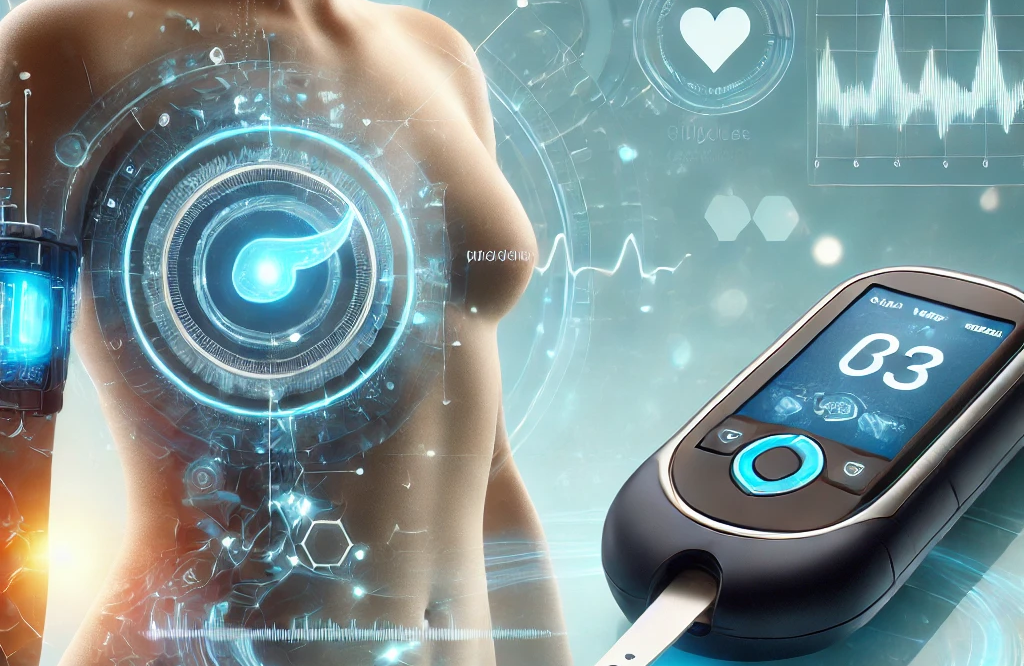
Diabetes, a chronic condition affecting millions worldwide, has long challenged patients and healthcare providers alike. For decades, balancing blood sugar levels has depended on manual interventions. These include insulin injections or pumps. However, the advent of the artificial pancreas offers a revolutionary leap forward. This innovative technology promises to improve patient outcomes by automating glucose regulation. It aims to simplify treatment. It could potentially transform how we approach diabetes care. But will the artificial pancreas truly beat diabetes? Let’s delve into this groundbreaking development.
What Is an Artificial Pancreas?
The artificial pancreas is a sophisticated medical device system designed to mimic the functions of a healthy pancreas. It integrates three key components:
- Continuous Glucose Monitor (CGM): Tracks real-time blood sugar levels throughout the day and night.
- Insulin Pump: Delivers insulin directly into the bloodstream.
- Control Algorithm: A software system that analyzes CGM data and automatically adjusts insulin delivery to maintain optimal glucose levels.
Unlike traditional insulin pumps or manual injections, the artificial pancreas operates dynamically. It responds to fluctuations in blood sugar without constant human intervention.
How Does It Work?
The system’s success lies in its ability to create a feedback loop:
- The CGM measures glucose levels and sends data to the control algorithm.
- The algorithm calculates how much insulin is required based on current glucose readings, trends, and predictive modeling.
- The insulin pump delivers the exact amount of insulin needed. It prevents both hyperglycemia (high blood sugar) and hypoglycemia (low blood sugar).
Some systems also integrate glucagon delivery for emergencies, providing an additional layer of safety.
Potential Benefits of the Artificial Pancreas
1. Tighter Glucose Control: The artificial pancreas continuously adjusts insulin delivery. It maintains blood sugar levels closer to the normal range. This reduces the risk of complications such as heart disease, kidney failure, and neuropathy.
2. Reduced Burden on Patients: Patients no longer need to manually monitor blood sugar. They do not need to calculate insulin doses either. This significantly eases the daily management of diabetes.
3. Better Sleep Quality: Nighttime hypoglycemia is a common and dangerous issue for people with diabetes. The artificial pancreas mitigates this risk, allowing users to sleep more soundly.
4. Improved Quality of Life: Automated systems free users from the constant mental load of managing their condition. This improves mental health and overall well-being.
Challenges and Limitations
Despite its immense potential, the artificial pancreas is not without hurdles:
- Cost: The high price tag of artificial pancreas systems can be prohibitive. Many patients may not afford them without adequate insurance coverage.
- Calibration and Maintenance: Regular calibration of the CGM and system updates are necessary, requiring some technical know-how.
- Accessibility: While available in some regions, regulatory approvals and limited distribution mean many people still lack access to these devices.
- Not a Cure: The artificial pancreas manages diabetes but does not eliminate the condition or its underlying causes.
Real-World Impact
Clinical trials and real-world usage have shown promising results. Patients using artificial pancreas systems report significantly improved HbA1c (glycated hemoglobin; an end product from high blood glucose) levels. Examples of these systems include Medtronic’s MiniMed 780G and Control-IQ from Tandem Diabetes Care. They also experience fewer episodes of hypoglycemia. Moreover, researchers are continuously refining these systems, incorporating machine learning and hybrid closed-loop models to enhance accuracy and reliability.
The Road Ahead
The artificial pancreas is not a cure for diabetes. However, it represents a major step toward making the condition more manageable. Advances in technology promise even better outcomes in the future. This includes the integration of artificial intelligence. Additionally, improvements in sensor accuracy contribute to these promising outcomes. Ongoing research into beta-cell regeneration and gene therapies may eventually complement or even replace artificial pancreas systems.
Conclusion: A Game-Changer in Diabetes Management
The artificial pancreas is a beacon of hope for millions living with diabetes. It doesn’t “beat” diabetes in the traditional sense. However, it significantly reduces the burden of managing the disease. It also improves the quality of life for users. With continued innovation, the artificial pancreas could transform how diabetes impacts those it affects. Diabetes could become far less disruptive to their lives.
As we look forward, technology will become more advanced and accessible. We may see a future where the artificial pancreas is just one of many tools to defeat diabetes entirely. Until then, this groundbreaking device remains a testament to the power of science and human ingenuity in improving lives.
 Science Sansar