
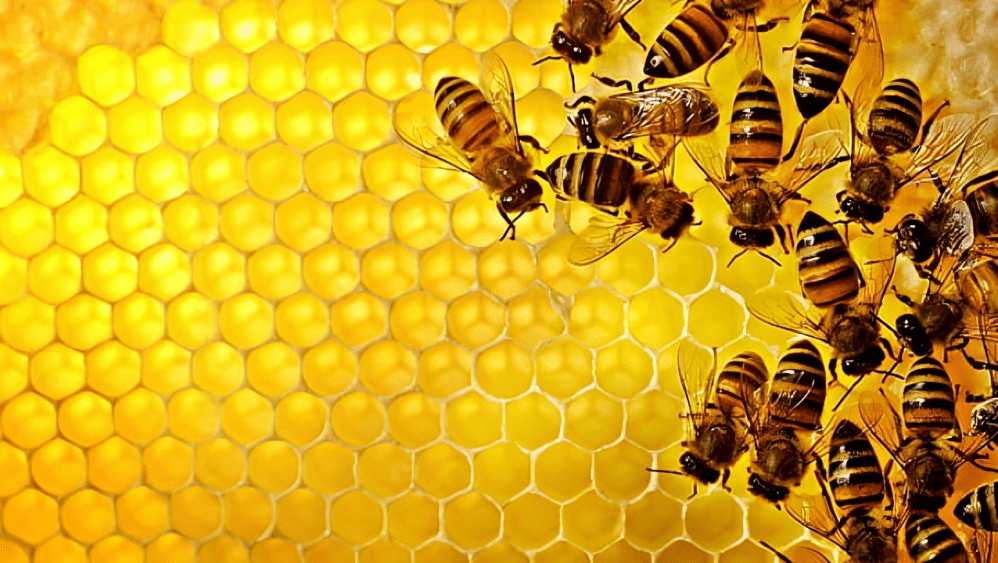
For centuries, honey has been celebrated as a natural elixir, revered in cultures worldwide for its remarkable healing properties. Often called “liquid gold,” honey’s medicinal value is as relevant today as it was in ancient times. With modern science confirming many of its benefits, this sweet substance is becoming a vital component of contemporary medical treatments.
A Historical Perspective
The use of honey in medicine dates back thousands of years. Ancient Egyptians used it to dress wounds. Ayurvedic and traditional Chinese medicine systems recommended honey for various ailments. These ailments ranged from digestive issues to respiratory conditions. The Greeks considered honey a source of longevity, and Islamic traditions regard it as a healing gift from nature. These historical anecdotes underscore the universal appreciation for honey’s therapeutic potential.
The Science Behind Honey’s Healing Power
Modern research reveals that honey’s medicinal properties stem from its complex chemical composition. It contains:
- Antimicrobial Agents: Honey is rich in hydrogen peroxide, flavonoids, and phenolic acids. These components inhibit the growth of harmful bacteria and fungi.
- Antioxidants: Compounds like polyphenols neutralize free radicals, reducing oxidative stress and inflammation.
- Enzymes and Nutrients: Honey provides enzymes, vitamins, and minerals that support cellular repair and overall health.
- Low pH and High Osmolarity: These factors create an environment hostile to microbial growth, making honey a natural preservative.
Modern Medical Applications of Honey
Honey’s potential applications in modern medicine are vast, spanning several fields:
- Wound Care: Honey’s antimicrobial and anti-inflammatory properties make it an effective treatment for burns, cuts, and ulcers. Medical-grade honey is now widely used in wound dressings to accelerate healing and prevent infection.
- Gut Health: Honey has prebiotic effects, promoting the growth of beneficial gut bacteria. It’s also used to soothe conditions like gastritis, acid reflux, and irritable bowel syndrome.
- Cough and Cold Relief: Honey is a well-known remedy for sore throats and coughs. Studies show it can be as effective as some over-the-counter medications in reducing nighttime coughing in children.
- Fighting Infections: With antibiotic resistance on the rise, honey offers a promising alternative. It combats drug-resistant bacteria like Staphylococcus aureus and Escherichia coli, opening new avenues for antimicrobial therapy.
- Skincare: Honey is a common ingredient in dermatology. It is used to treat acne, eczema, and other skin conditions. This is due to its hydrating and antibacterial properties.
Exploring Honey’s Future Potential
As research advances, honey is being incorporated into innovative treatments, including:
- Bioengineered Wound Dressings: Infusing honey into modern bandages for enhanced healing.
- Cancer Therapy: Exploring honey’s antioxidants and anti-inflammatory effects in reducing tumor growth and supporting chemotherapy recovery.
- Managing diabetes: Many people misunderstand honey as a “sugar” to avoid for diabetes. However, honey can play a beneficial role in managing the condition when consumed responsibly. Unlike refined sugar, honey has a lower glycemic index (GI), meaning it causes a slower rise in blood sugar levels. Its natural composition of fructose and glucose helps support better glycemic control. Antioxidants in honey can reduce inflammation, which is often linked to diabetes complications. However, myths persist that honey is a “free pass” for diabetics to indulge in sweetness. In reality, moderation is key—overconsumption of honey can still spike blood sugar levels. Consulting with a healthcare provider is essential to safely incorporate honey into a diabetes-friendly diet.
- Chronic Disease Management: Investigating honey’s role in controlling diabetes and cardiovascular diseases through its low glycemic index and anti-inflammatory benefits.
Conclusion
From ancient civilizations to cutting-edge laboratories, honey continues to prove its worth as a natural healer. It has a unique blend of therapeutic properties. This makes it a valuable ally in medicine. It offers solutions for both common ailments and complex health challenges. As science uncovers more about this liquid gold, honey’s legacy as a timeless remedy only grows stronger.
 Science Sansar