
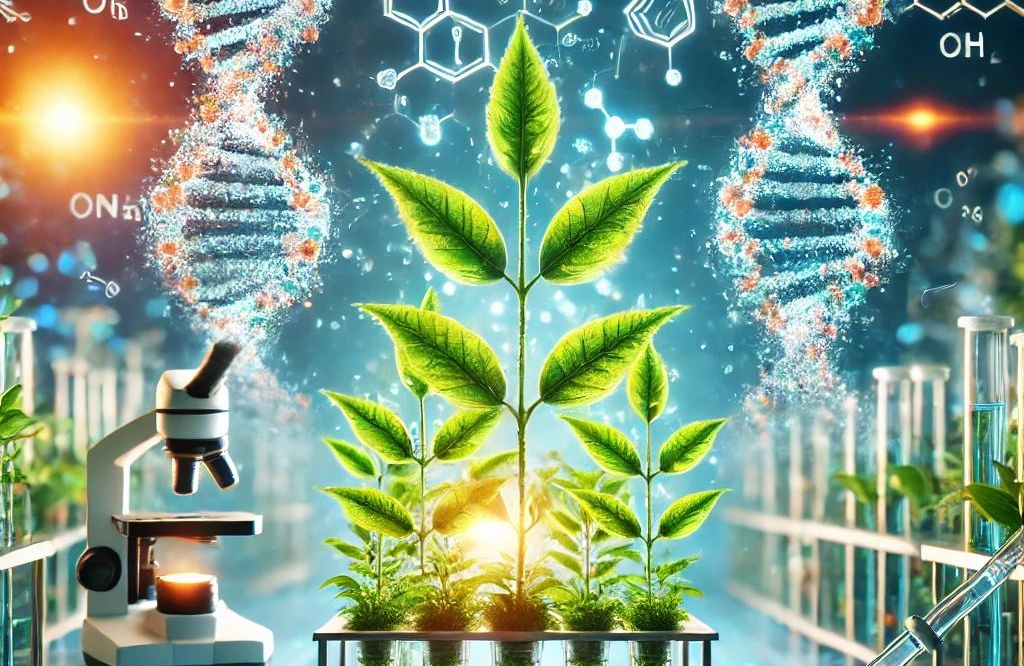
Plantibody refers to antibodies that are produced by genetically engineered plants. These plant-derived antibodies are a cutting-edge innovation in biotechnology. They combine the precision of immunology with the scalability and sustainability of agricultural production systems.
How Plantibodies Work
Antibodies are proteins produced by the immune system to identify and neutralize pathogens like bacteria and viruses. By leveraging genetic engineering, scientists can insert genes encoding specific antibodies into the DNA of plants. Once incorporated, the plant’s cellular machinery produces the antibody. It can then be extracted and purified for use in various applications.
Production Process
1. Gene Insertion: Genes encoding the desired antibody are introduced into the plant genome. Techniques used include Agrobacterium-mediated transformation or biolistics (gene gun).
2. Plant Cultivation: The genetically modified plants are grown in controlled conditions to ensure optimal expression of the antibody.
3. Harvest and Extraction: Antibodies are harvested from plant tissues (e.g., leaves or seeds) and purified for medical or industrial applications.
Advantages of Plantibodies
1. Cost-Effective Production: Plants can produce antibodies on a large scale. This process occurs at a fraction of the cost compared to traditional mammalian cell culture systems.
2. Scalability: Cultivating plants is relatively straightforward, making it easy to scale production in response to demand.
3. Safety: Plant-based systems minimize the risk of contamination with mammalian pathogens, ensuring a safer end product.
4. Environmental Benefits: The process reduces reliance on animal-derived systems and lowers carbon footprints compared to industrial bioreactors.
Applications
Medical:
- Plantibodies are used in the treatment of diseases, including cancer and infectious diseases.
- They are being explored for producing vaccines, such as those against HIV or influenza.
- Emergency treatments for bioterror agents like anthrax and Ebola have been developed using plantibodies.
Agricultural:
- Plantibodies can target specific pests or pathogens, offering environmentally friendly pest control solutions.
Diagnostic Tools:
- Plant-derived antibodies are used in diagnostic assays to detect diseases in humans, animals, and crops.
Challenges
Despite their promise, plantibodies face several challenges:
- Regulatory Hurdles: Approval processes for plant-based pharmaceuticals are complex and time-consuming.
- Yield Variability: Consistency in antibody expression levels across different plants and conditions can be difficult to maintain.
- Public Perception: Genetically modified organisms (GMOs) face resistance in certain regions due to ethical or environmental concerns.
Future Prospects
The field of plantibodies is evolving rapidly. Advancements in genetic engineering, such as CRISPR-Cas9, promise higher yields and faster development cycles. As biotechnology integrates further with agriculture, plantibodies have the potential to revolutionize pharmaceutical production. They can make life-saving therapies more accessible worldwide.
 Science Sansar